Use of Magic Lanterns
First still photograph taken, using a glass plate technique Claude Niepce's photograph the View from a Window at Le Gras took nearly eight hours to expose.
Joseph Plateau and sons introduce the Phenakistoscope. Like other toys of its kind, the Phenakistoscope was one of the more successful illusion toys. Pictures on one disc viewed through slots in the other, appeared to move when the two were spun and viewed in mirror.
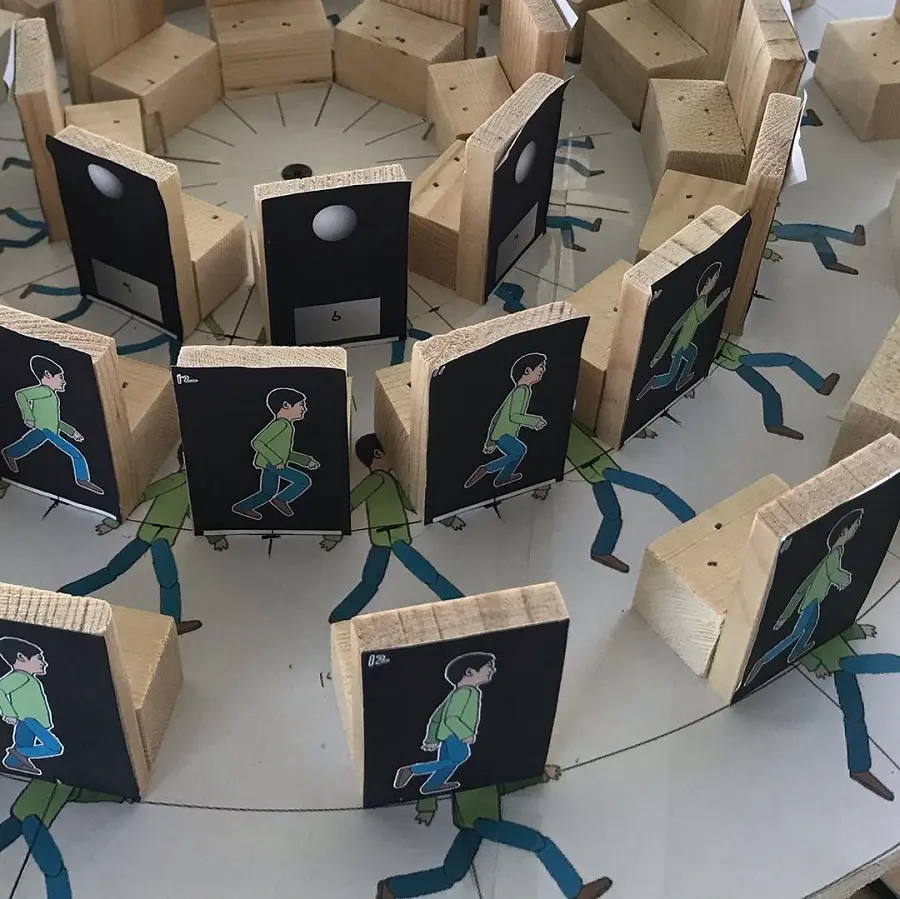
Another illusion toy - the Zoetrope was introduced by William George Horner. The Zoetrope used the same principle as Plateau's Phenakistoscope but instead of discs the pictures and slots are combined in a rotating drum. Zoetrope's were widely sold after 1867.
 |
 |
 |
 |
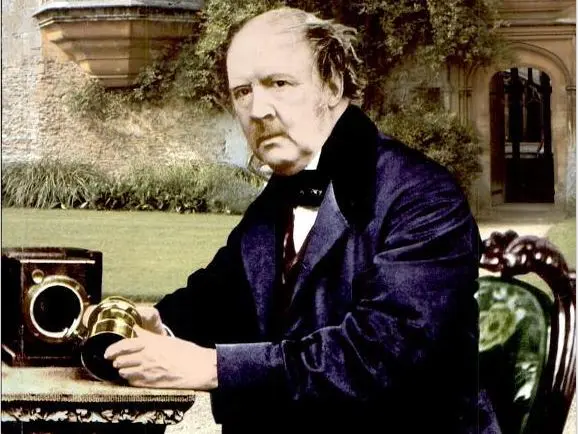
Henry Fox Talbot makes an important advancement in photograph production with the introduction of negatives on paper - as opposed to glass. Also around this time it became possible to print photographic images on glass slides which could be projected using magic lanterns.
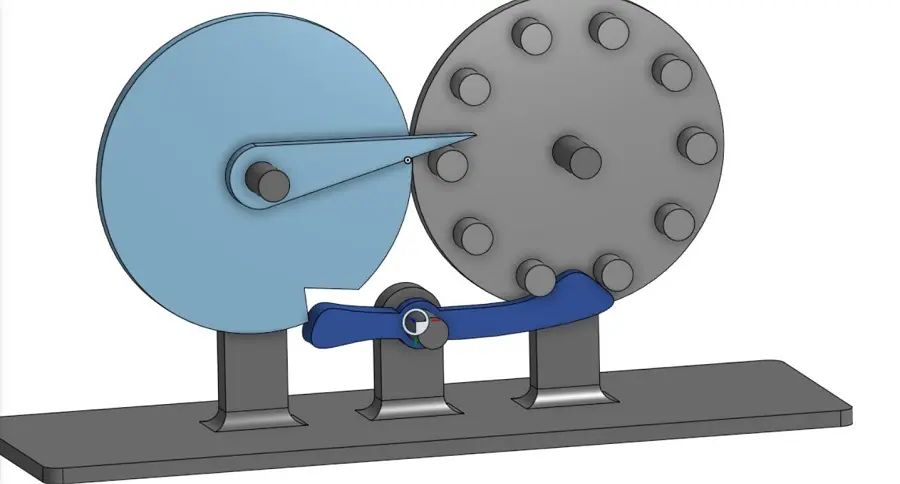
Important in the development of motion pictures was the invention of intermittent mechanisms - particularly those used in sewing machines.
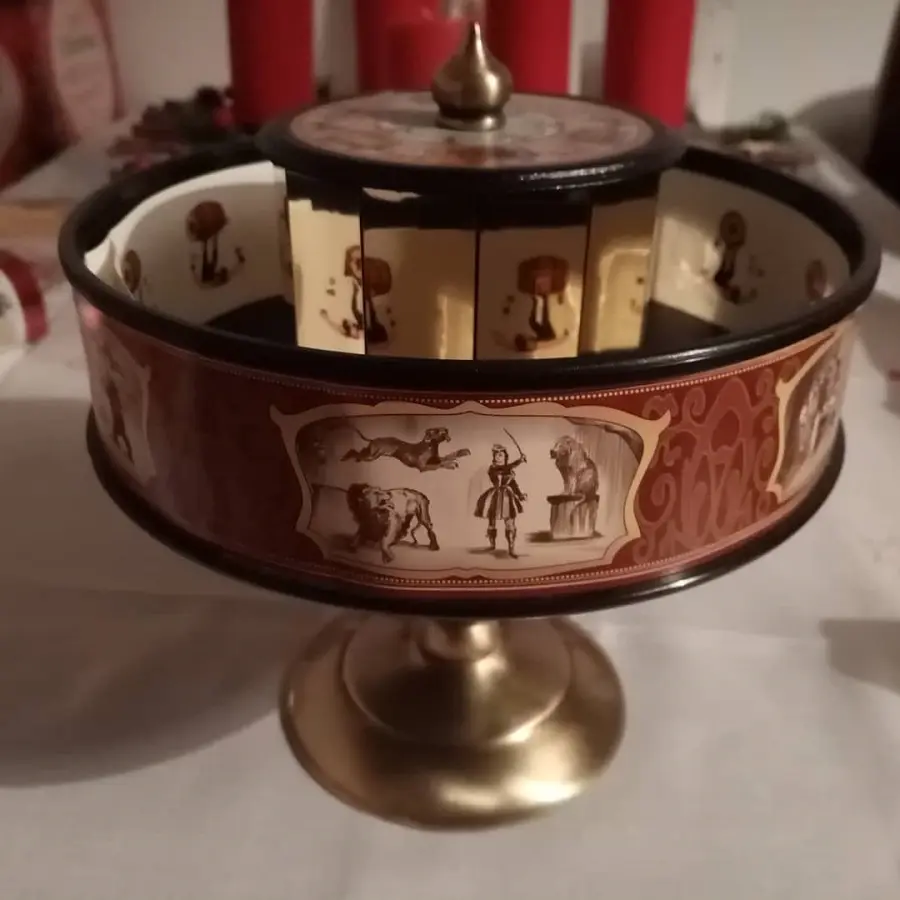
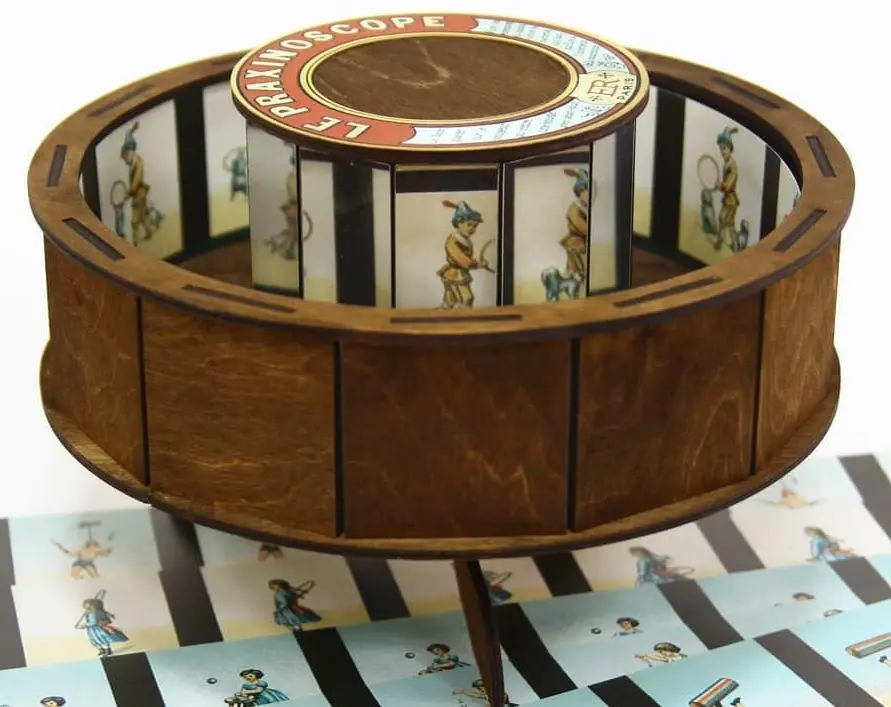
Emile Reynaud introduces the Praxinoscope. Similar in design to Horner's Zoetrope, the illusion of movement produced by the Praxinoscope was viewed on mirrors in the centre of the drum rather than through slots on the outside.
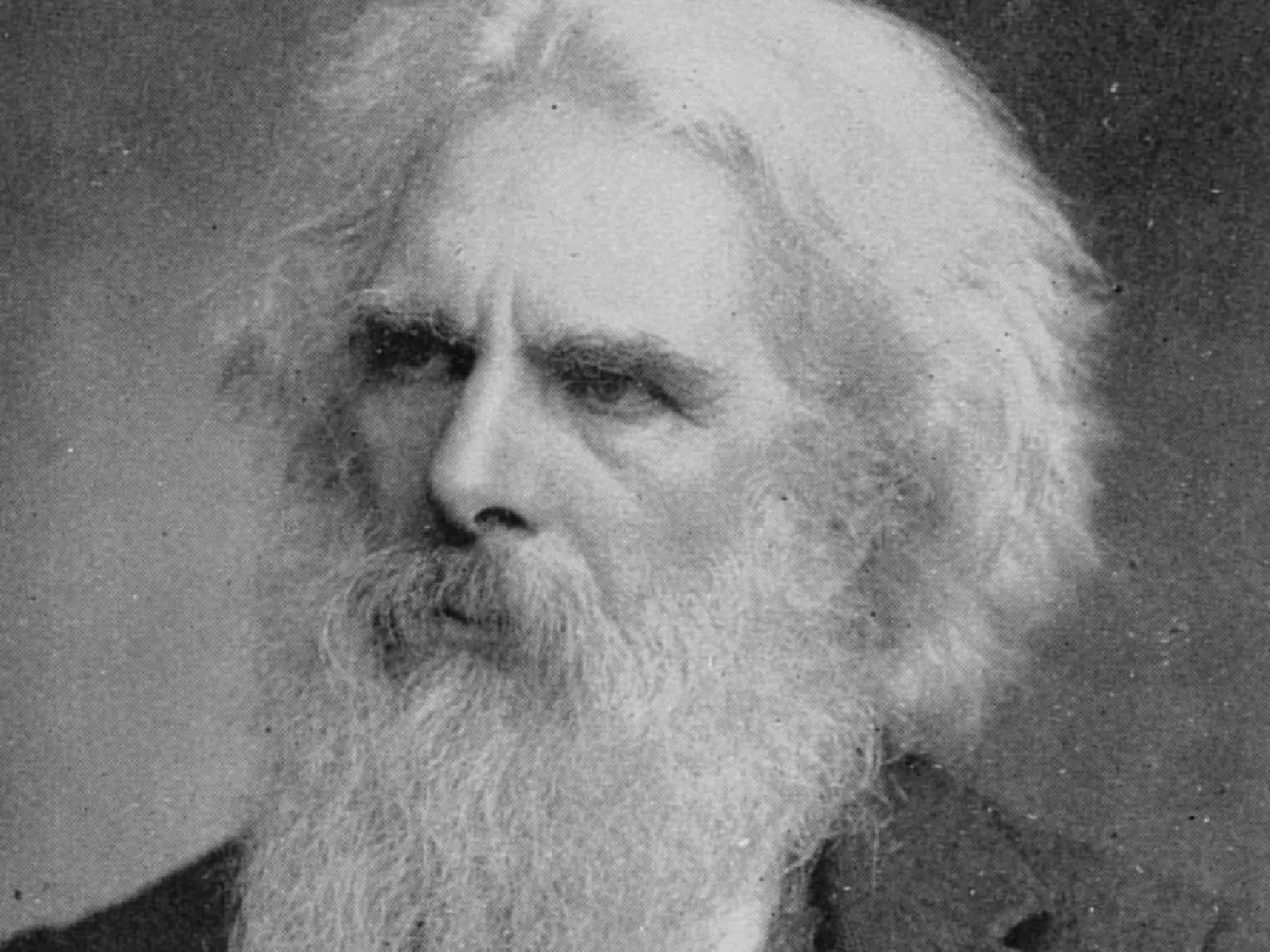
Eadweard Muybridge achieves success after five years of trying to capture movement. Muybridge was asked, in 1873, by the ex-governor of California - Leland Stanford to settle a bet as to whether horses hooves left the ground when they galloped. He did this by setting up a bank of twelve cameras with trip-wires connected to their shutters, each camera took a picture when the horse tripped its wire. Muybridge developed a projector to present his finding. He adapted Horner's Zoetrope to produce his Zoopraxinoscope.
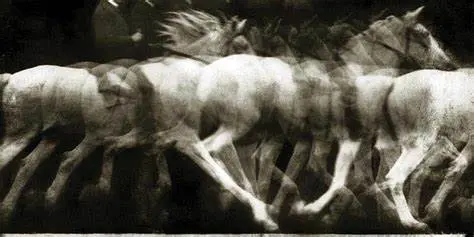
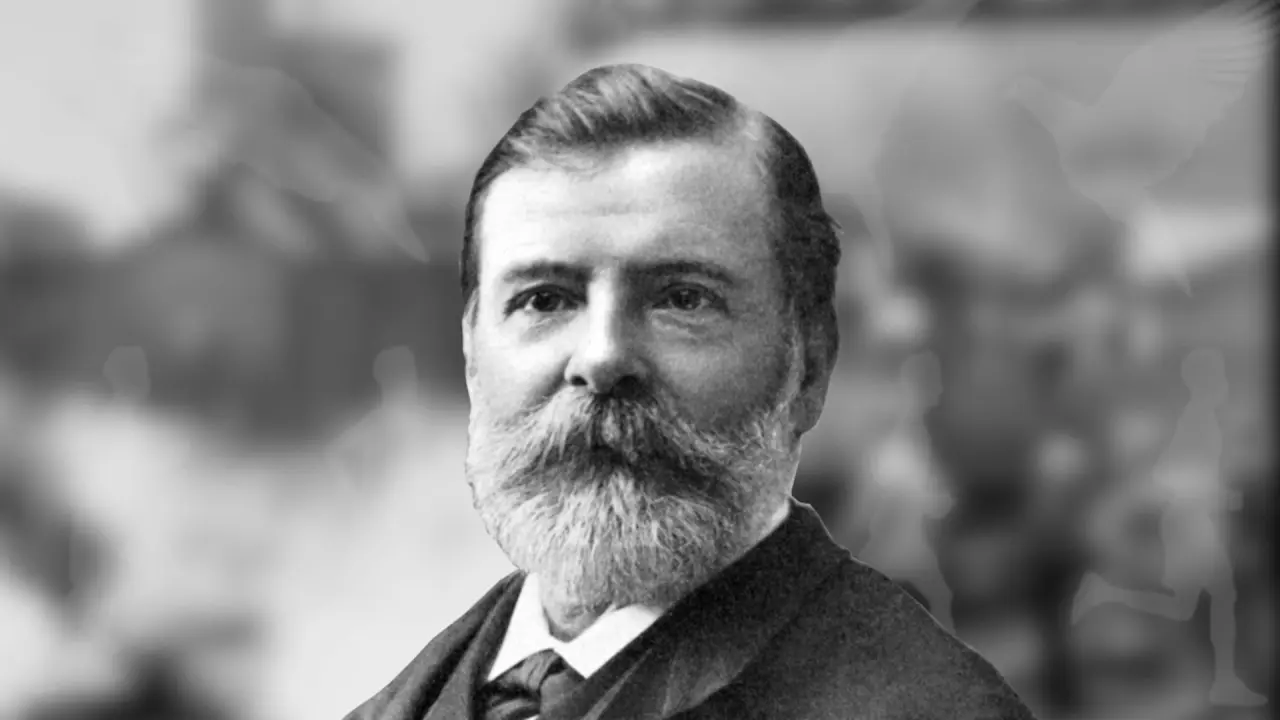
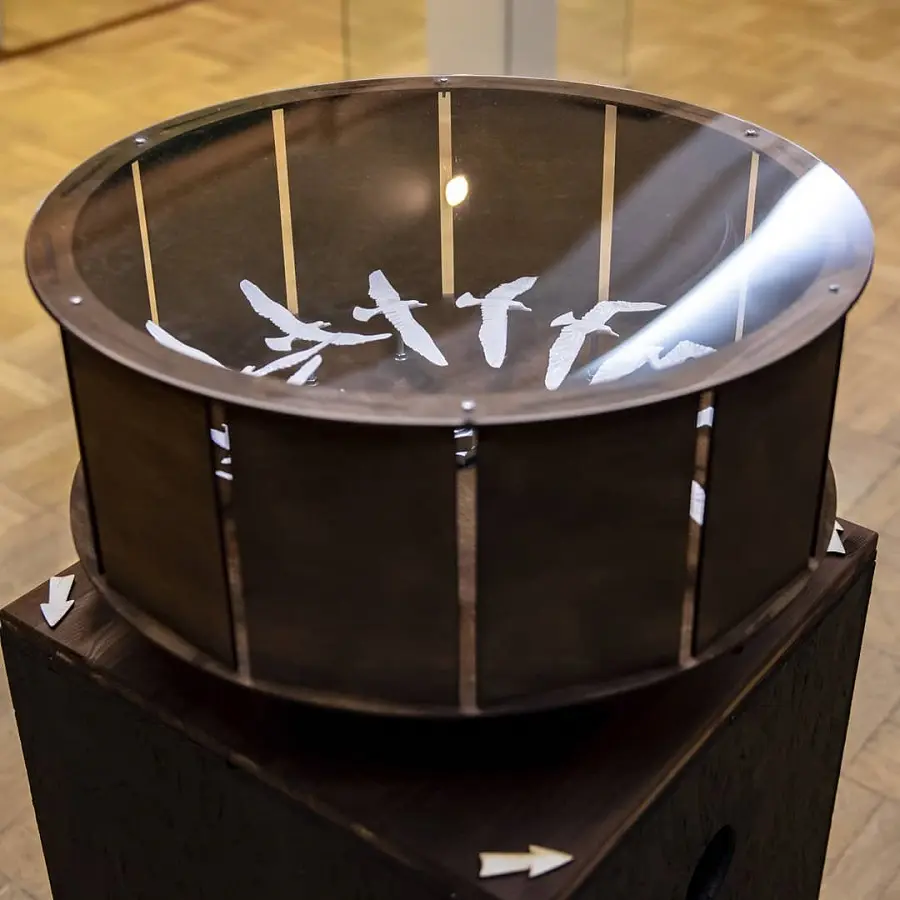
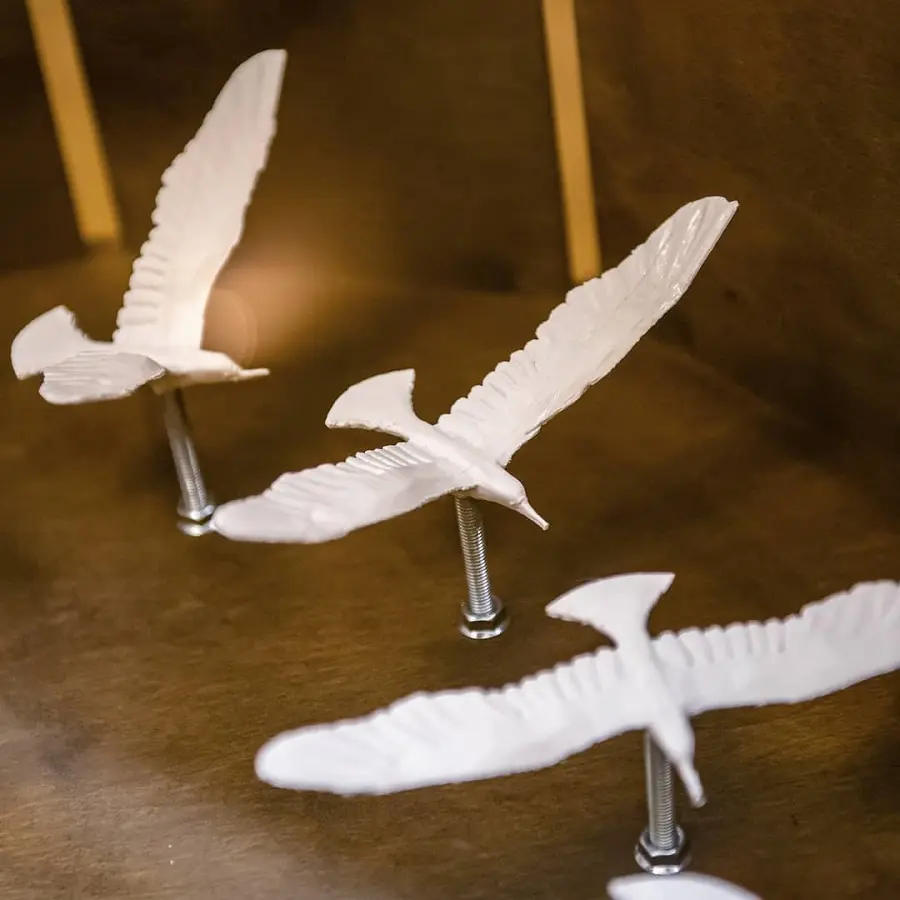
Etienne Jules Marey, inspired by Muybridge's animal locomotion studies, begins his own experiments to study the flight of birds and other rapid animal movements . The result was a photographic gun which exposed 12 images on the edge of a circular plate.
|
|
|
|
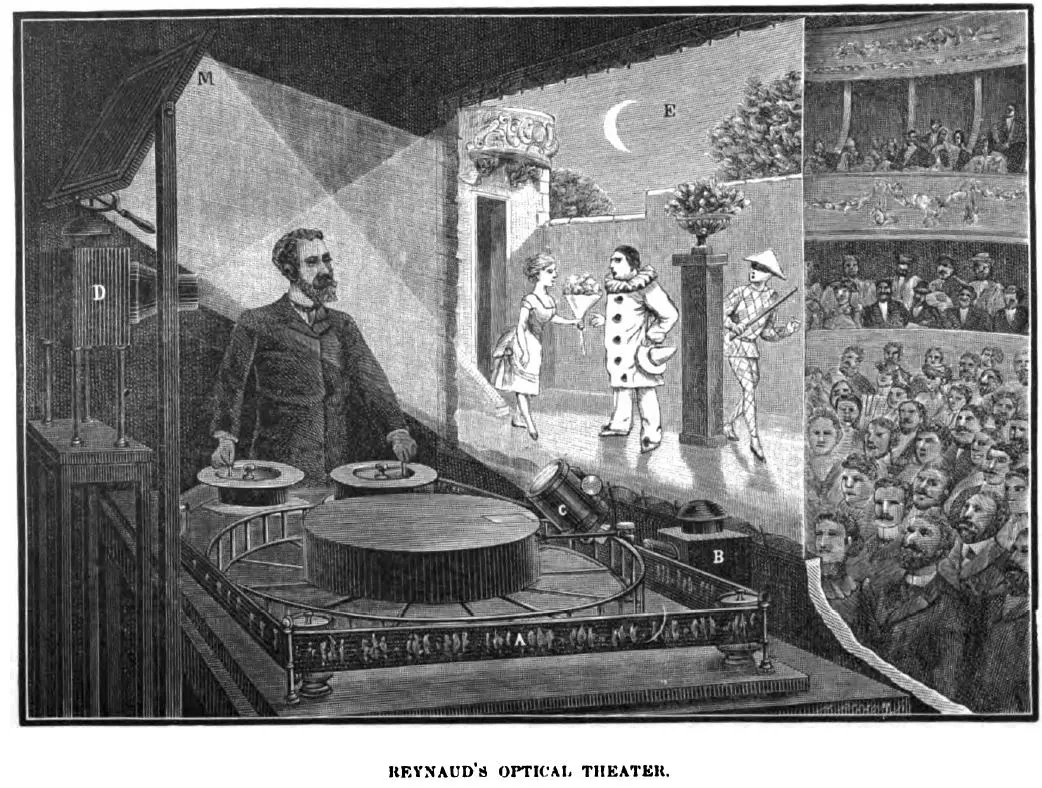
Emile Reynaud expands on his praxinoscope and using mirrors and a lantern is about to project moving drawings onto a screen.
George Eastman devises a still camera which produces photographs on sensitised paper which he sells using the name Kodak.
Marey Etienne Marey builds a box type moving picture camera which uses an intermittent mechanism and strips of paper film.
Thomas A. Edison, inventor of the electric light bulb and the phonograph decides to design machines for making and showing moving pictures. With his assistant W.K.L Dickson (who did most of the work), Edison began experimenting with adapting the phonograph and tried in vain to make rows of tiny photographs on similar cylinders.
Phonograph Reynaud exhibits a much larger version of his praxinoscope.
Edison travels to Paris and views Marey's camera which uses flexible film. Dickson then acquires some Eastman Kodak film stock and begins work on a new type of machine.
By 1891, Edison and Dickson have their Kinetograph camera and Kinetoscope viewing box ready for patenting and demonstration. Using Eastman film cut into inch wide strips, Dickson punched four holes in either side of each frame allowing toothed gears to pull the film through the camera.
Using his projecting Praxinoscope, Reynaud holds the first public exhibitions of motion pictures. Reynaud's device was successful, using long strips of hand-painted frames, but the effect was jerky and slow.
Black Maria Edison and Dickson build a studio on the grounds of Edison's laboratories in New Jersey, to produce films for their kinetoscope. The Black Maria was ready for film production at the end of January.
|
|
|
|
The Lumière family is the biggest manufacturer of photographic plates in Europe A Local kinetoscope exhibitor asks brothers Louis and Auguste to make films which are cheaper than the ones sold by Edison.
Louis and Auguste design a camera which serves as both a recording device and a projecting device. They call it the Cinématographe.
The Cinématographe uses flexible film cut into 35mm wide strips and used an intermittent mechanism modeled on the sewing machine.
The camera shot films at sixteen frames per second (rather than the forty six which Edison used), this became the standard film rate for nearly 25 years.
During this year Woodville Latham and his sons Otway and Gray began working on their own camera and projector.
In October of 1894, Edison's Kinetoscope made its debut in London. The parlour which played host these machines did remarkably well and its owner approached R.W Paul, a maker of photographic equipment to make some extra machines for it. Incredibly, Edison hadn't patented his kinetoscope outside of the US, so Paul was free to sell copies to anyone, however, because Edison would only supply films to exhibitors who leased his machines, Paul had to invent his own camera to make films to go with his duplicate kinetoscopes.
Another peepshow device, similar to the kinetoscope arrived in the Autumn of 1894. The Mutoscope was patented by Herman Casler, and worked using a flip-card device to provide the motion picture. Needing a camera he turned to his friend W.K.L Dickson who, unhappy at the Edison Company cooperates and with several others they form the American Mutoscope Company.
The first film shot with the Cinématographe camera is La Sortie de l'usine Lumière a Lyon (Workers leaving the Lumière factory at Lyon). Shot in March it is shown in public at a meeting of the Societe d'Encouragement a l'industrie Nationale in Paris that same month.
In March of 1895, R.W Paul and his partner Birt Acres had a functional camera which was based partly on Marey's 1888 camera. In just half a year they had created a camera and shot 13 films for use with the kinetoscope. The partnership broke up, Paul continuing to improve upon the camera while Acres concentrating on creating a projector.
The Lathams too had succeeded in creating a camera and a projector and on April 21st 1895 they showed one film to reporters. In May they opened a small storefront theatre. Their projector received only a small amount of attention as the image projected was very dim. The Lathams did however contribute greatly to motion picture history. Their projectors employed a system which looped the film making it less susceptible to breaks and tears. The Latham Loop as it was dubbed later is still in use in modern motion picture projectors.
Atlanta, Georgia was the setting for another partnership. C. Francis Jenkins and Thomas Armat exhibit their phantoscope projector but like Latham, attracts a moderate audience due to its dim, unsteady projector and competition from the Kinetoscope parlours. Later that year, Jenkins and Armat split. Armat continued to improve upon the projector and renames it the Vitascope, and obtained backing from American entrepreneurs Norman Raff and Frank Gammon.
One of the most famous film screenings in history took place on December 28th, 1895. The venue was the Grand Cafe in Paris and customers paid one Franc for a twenty-five minute programme of ten Lumière films. These included Feeding the Baby, The Waterer Watered and A View of the Sea.
Early in 1896, Herman Casler and W.K.L Dickson had developed their camera to go with Casler's Mutoscope. However the market for peepshow devices was in decine and they decided to concentrate on producing a projection system. The camera and projector they produced were unusual as they used 70mm film which gave very clear images.
January 14th saw Birt Acres present a selection of his films to the Royal Photographic Society - these included the famous Rough Sea at Dover and soon projected films were shown there regularly.
The Lumière brothers sent a representative from their company to London and started a successful run of Cinématographe films.
R.W. Paul continued to improve his camera and invented a projector which began by showing copies of Acres' films from the previous year. He sold his machines rather than leasing them and as a result speeded up the spread of the film industry in Britain as well as abroad supplying filmmakers and exhibitors which included George Méliès.
After agreeing to back Armat's Vitascope, Raff and Gammon approached Edison, afraid to offend him, and Edison agrees to manufacture the Vitascope marketing it as "Edison's Vitascope". April 23rd saw the first public premiere of the Vitascope at Koster and Bial's Music Hall. Six films were shown in all, five of which were orginally shot for kinetoscope, the sixth being Birt Acres' Rough Sea at Dover.
By 1897 the American Mutoscope Company become the most popular film company in America - both projecting films and with the peephole Mutoscope which was considered more reliable than the kinetoscope.
|
|
|
|
The American Mutoscope Company changes its name to the American Mutoscope and Biograph Company to include its projection and peepshow devices.
British filmmaker James Williamson produces "The Big Swallow" which demonstrated the ingenuity of the Brighton School (of filmmakers) of which he and George Smith were principle contributors.
Georges Méliès produces his magnificent "Voyage to the Moon", a fifteen minute epic fantasy parodying the writings of Jules Verne and HG Wells. The film used innovative special effect techniques and introduced colour to the screen through hand-painting and tinting.
British film maker George Smith makes Mary Janes Mishap which was praised for its sophisticated use of editing. The film uses medium close-ups to draw the viewers attention to the scene, juxtaposed with wide establishing shots. The film also contains a pair of wipes which signal a scene change.
The American Mutoscope and Biograph Company begin making films in the 35mm format rather that the 70mm which boosted their sales. The company went on to employ one of the most important silent film directors - D.W Griffith in 1908.
Edwin S. Porter, working for Edison makes "The Life of an American Fireman" which displayed new visual storytelling techniques and incorporated stock footage with Porter's own photography. It acted as a major precursor to Porter's most famous film "The Great Train Robbery" also made in 1903 which displayed effective use of editing and photography technique.
Cecil Hepworth produced, with Lewin Fitzhamon "Rescued by Rover". A charming film in which Hepworth, his wife, child and dog, star.
|
|
|
|


Check These Out
Try FREE Gifts right here, right now. Or receive Freebies Goodies nothing but cool items.
Once successful, button below
|
|
|
|
 EarlyCinema